Wooden door colours – what do they really look like?
Choosing the colour of wooden doors is no simple task. It's more than just picking a 'nice shade' from a colour chart. And it's not simply because there are so many options to choose from. Most uncertainty comes from looking at photos. The same colour can look completely different – warm and bright in one image, yet cooler or noticeably darker in another.
This is perfectly normal. Wood is a natural material, so its colour changes depending on the grain, lighting and surrounding environment.
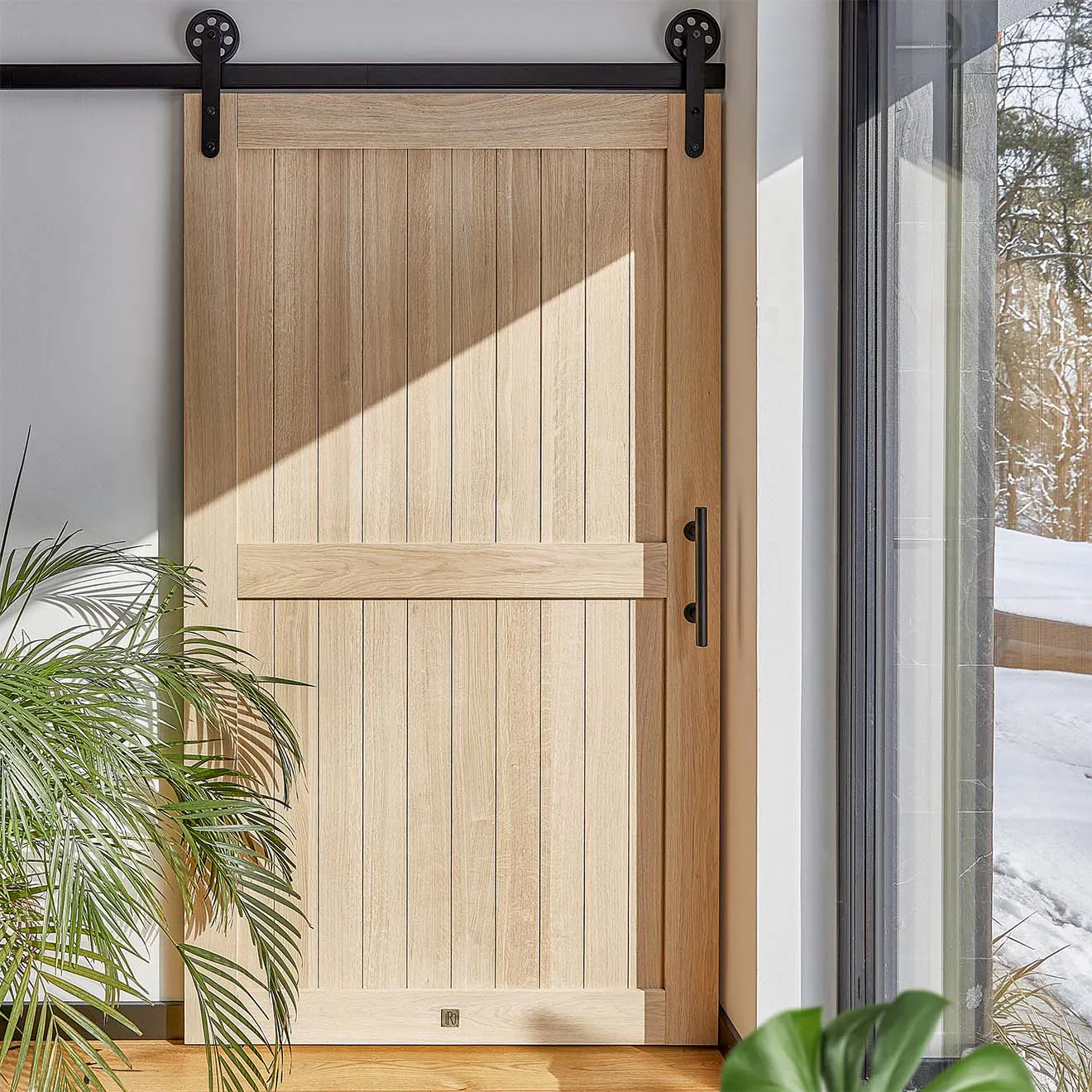
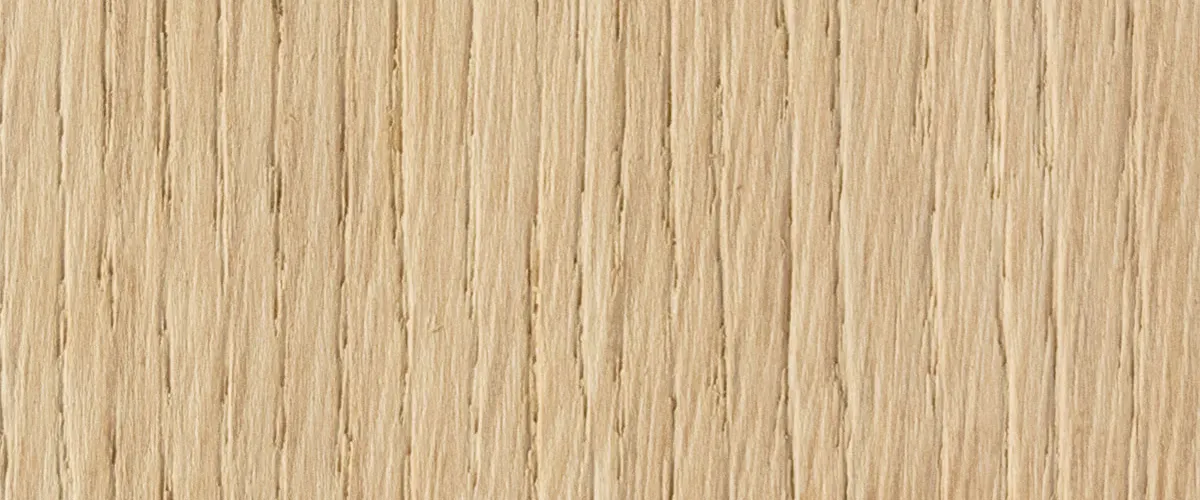
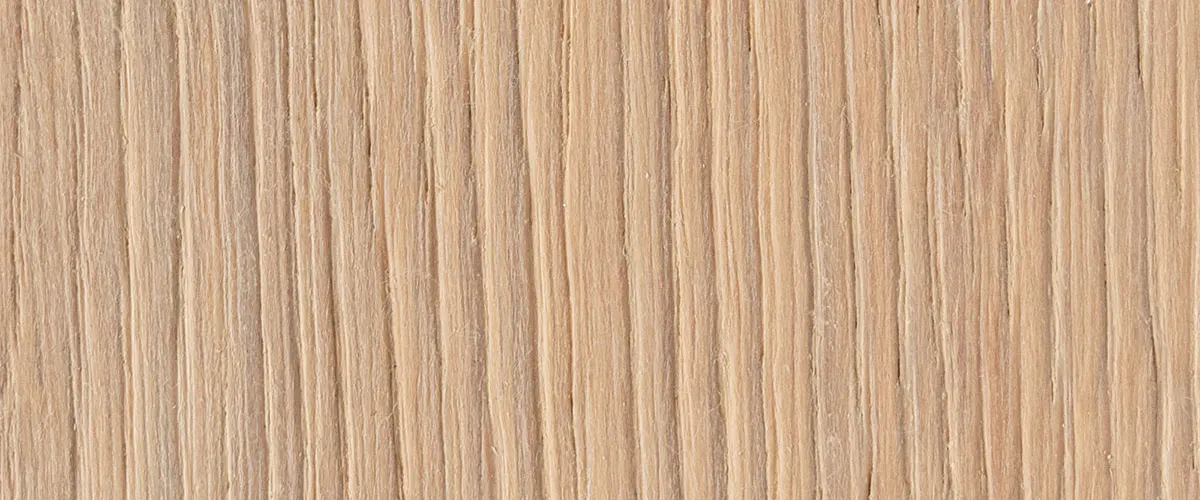
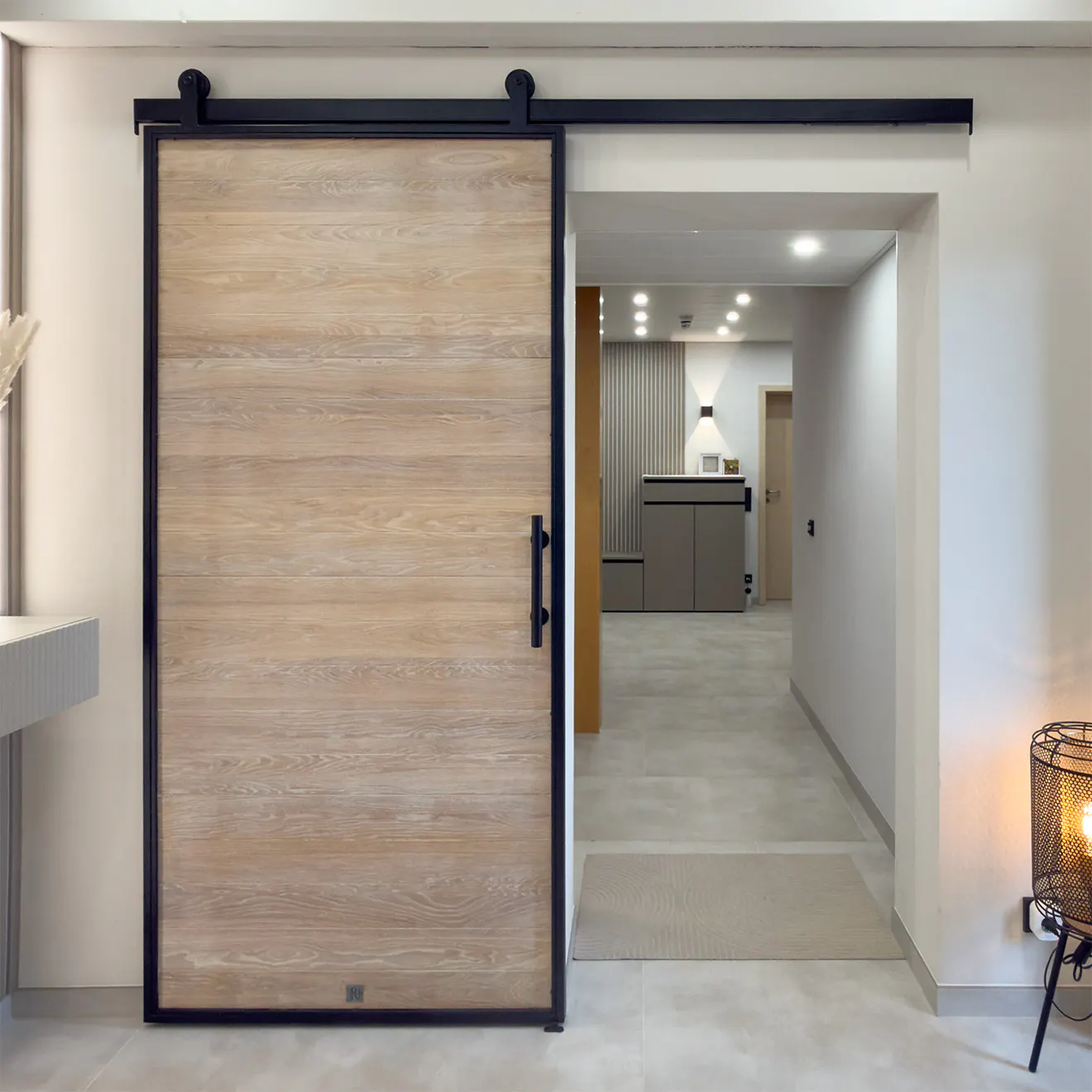
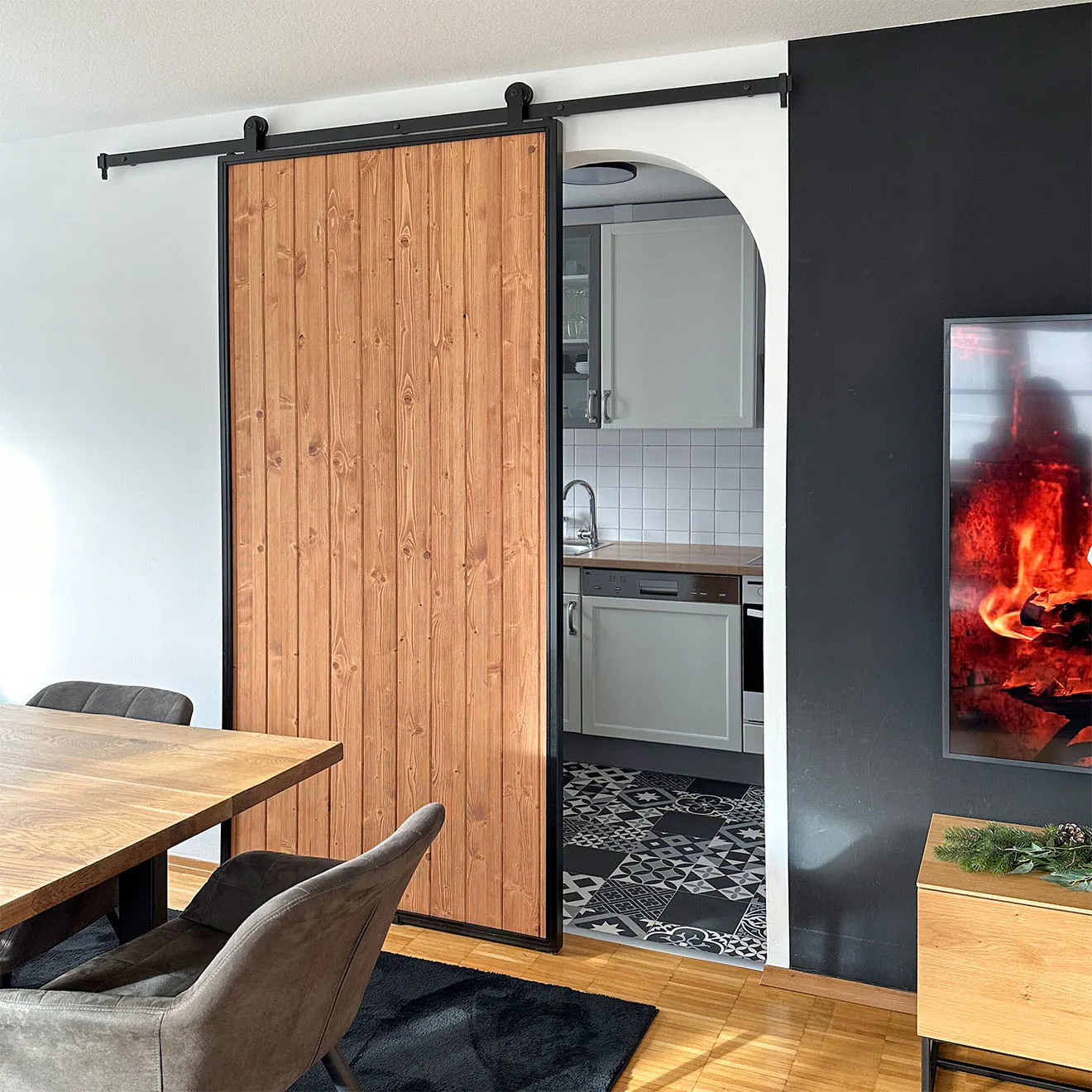
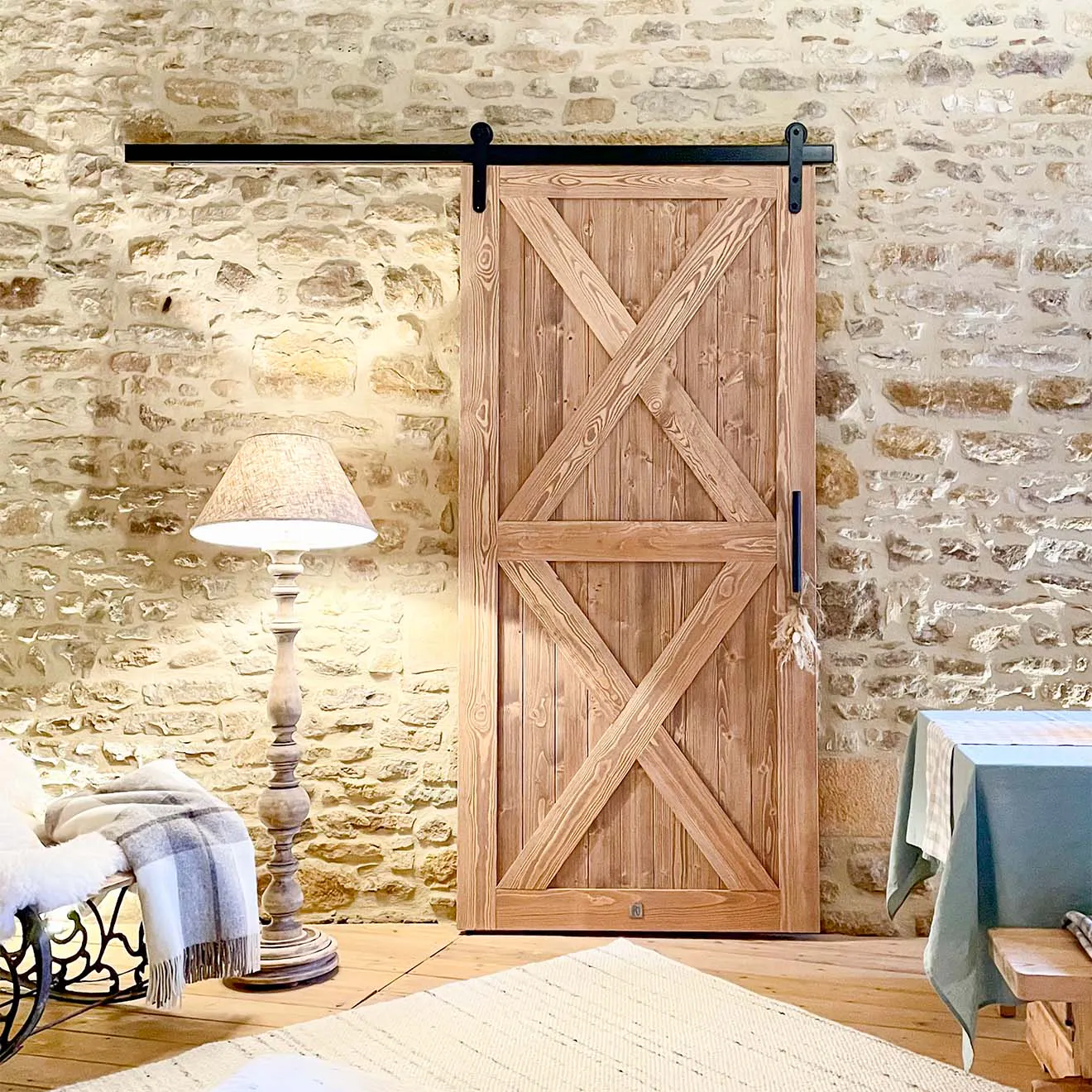
In this article, we've gathered our complete range of wood finishes together with real customer photos taken in natural conditions — making it easier to see how each colour looks in real life.
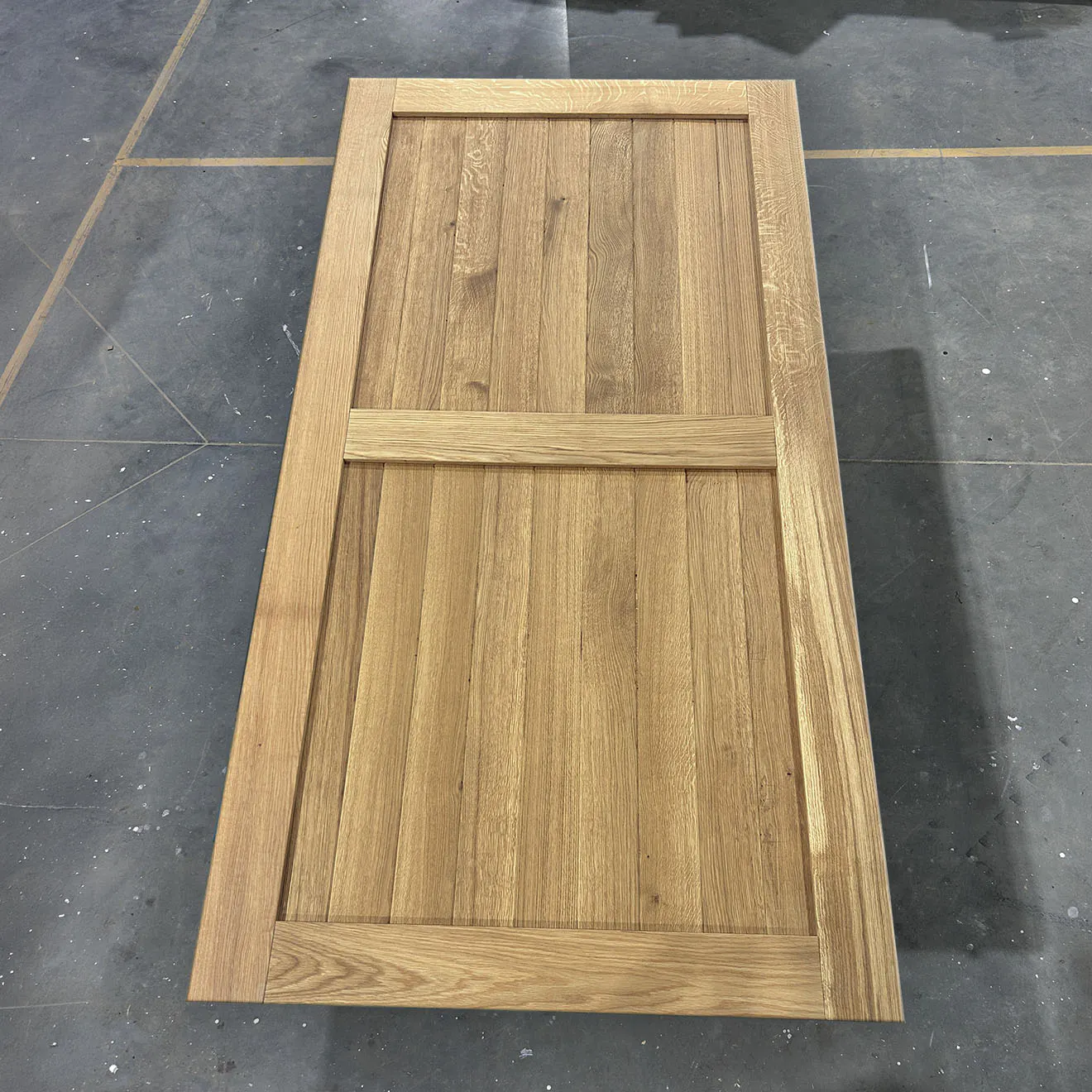
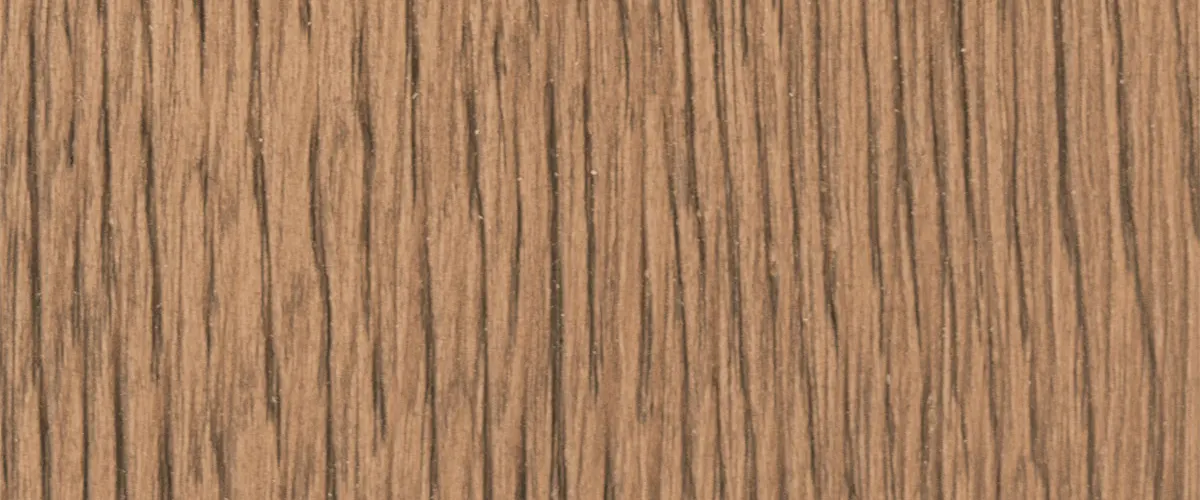
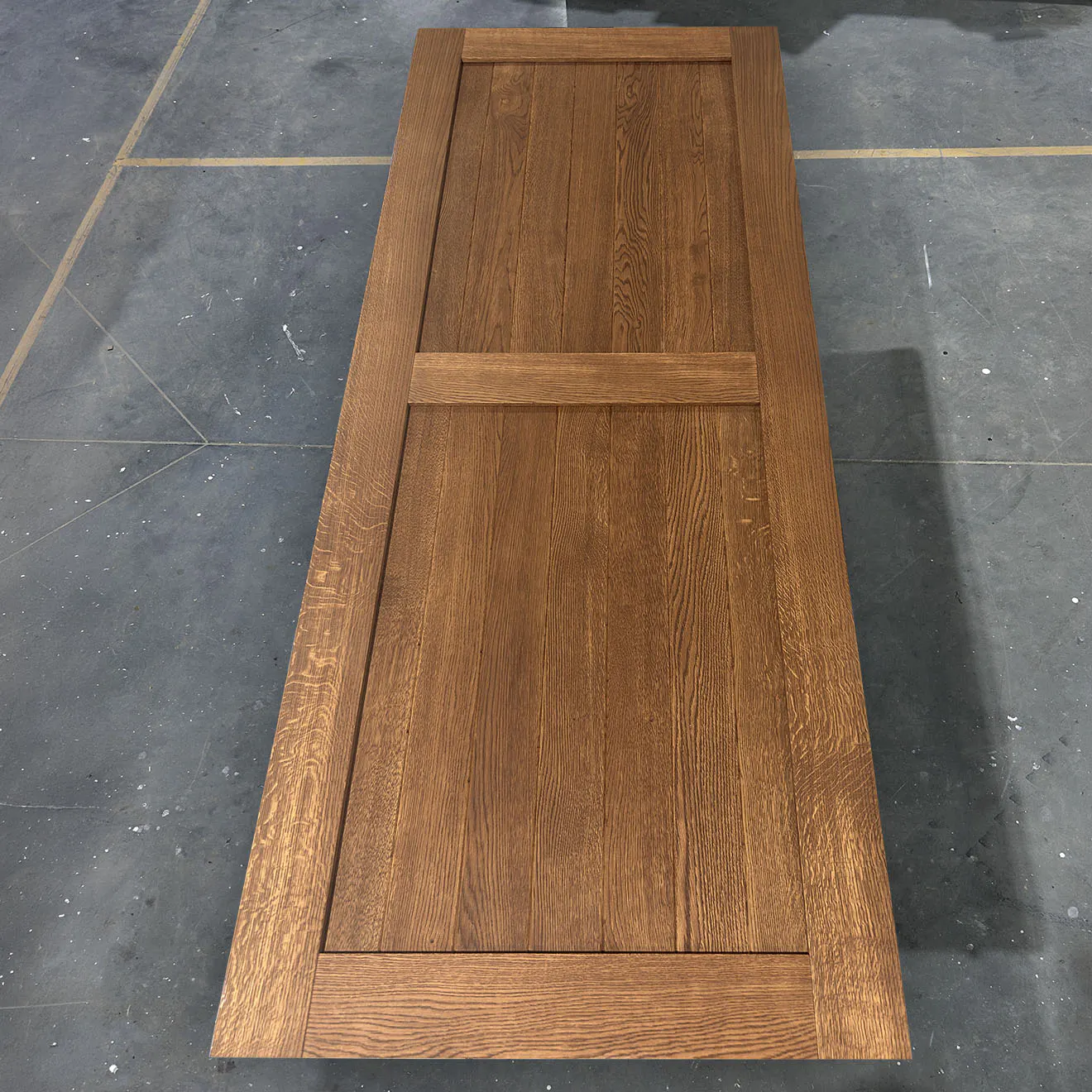
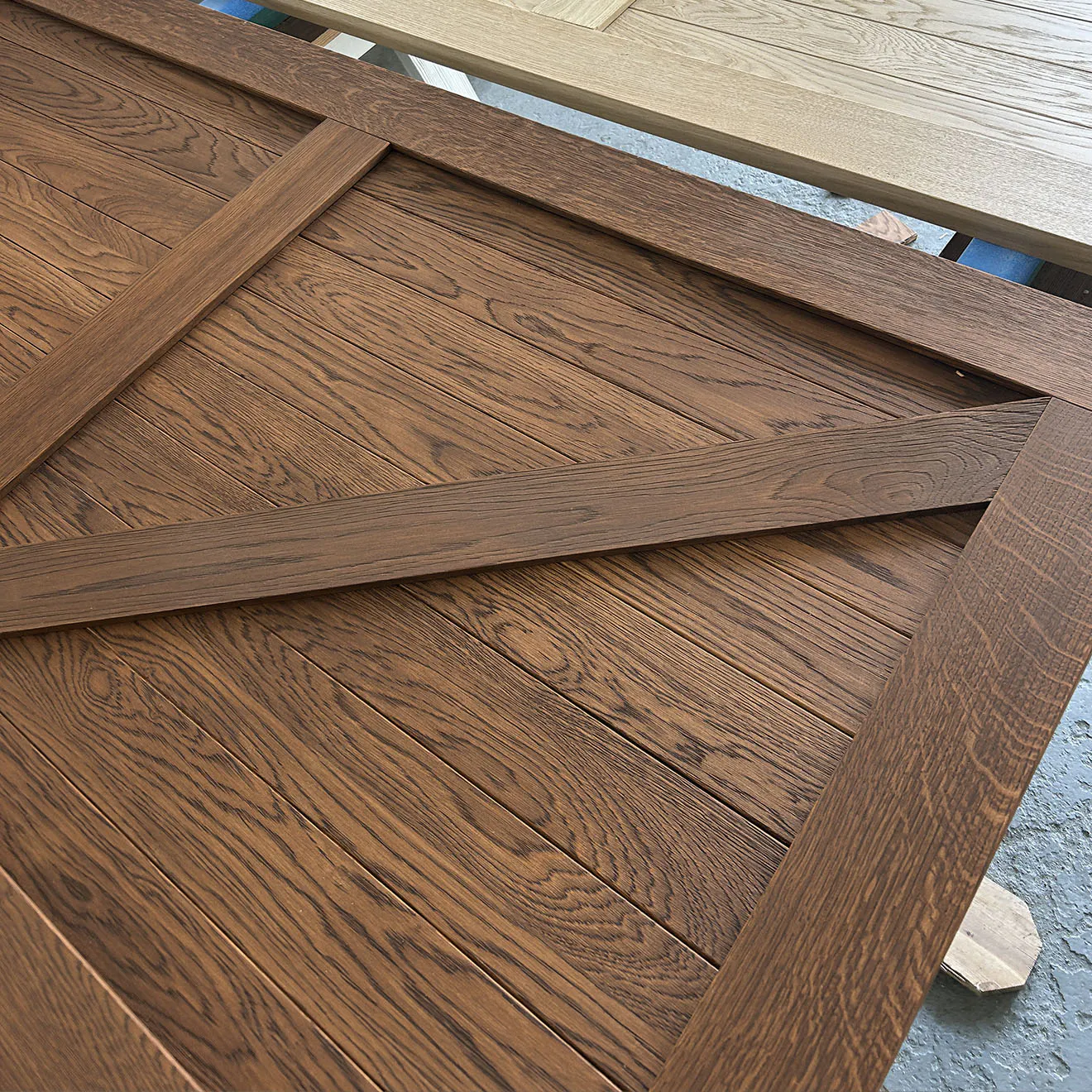
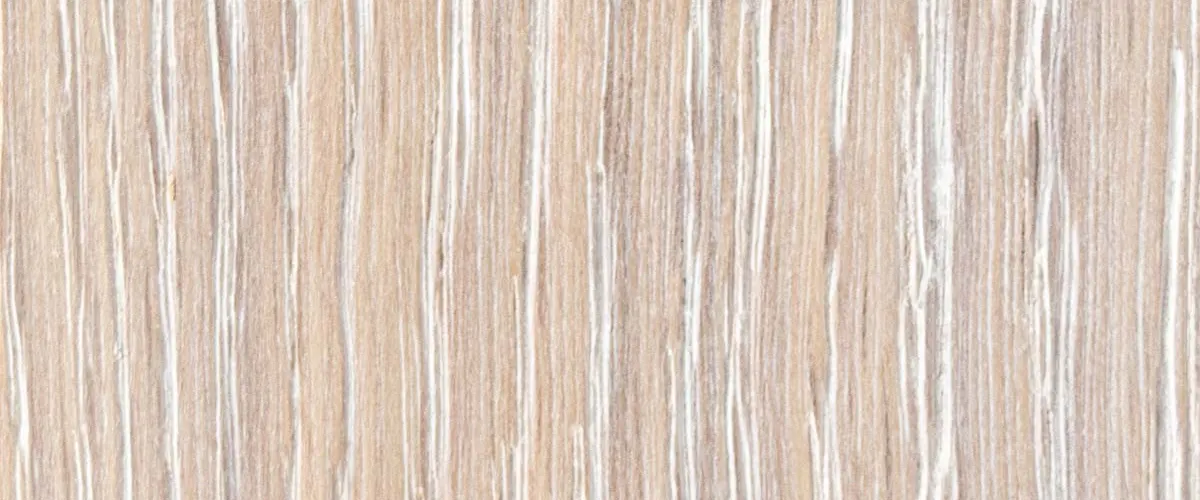
Oak wood – full colour palette
Oak is harder than pine and has a denser grain. As a result, the same oils and finishes look slightly different on it — usually slightly more saturated, deeper and a little darker.





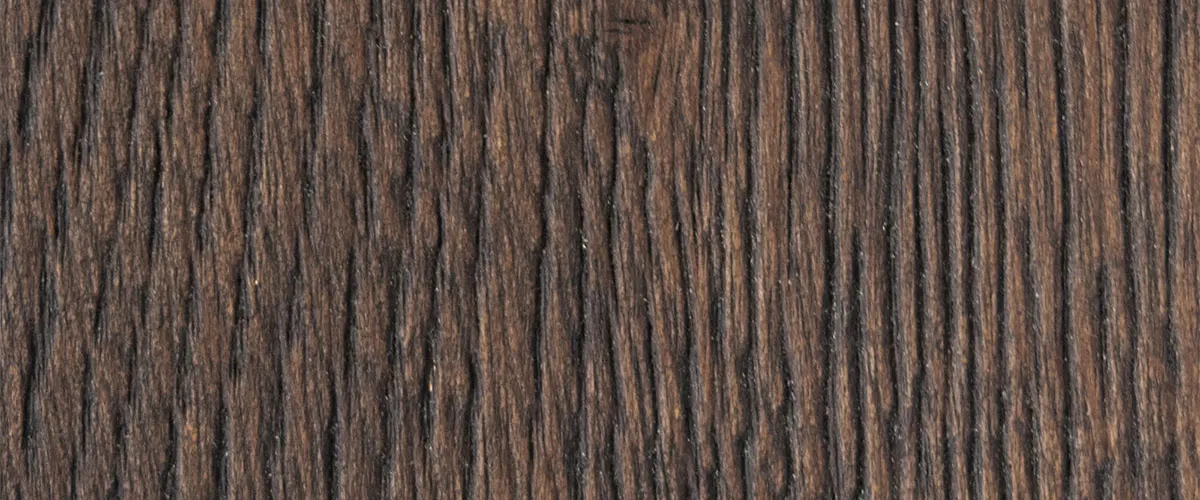
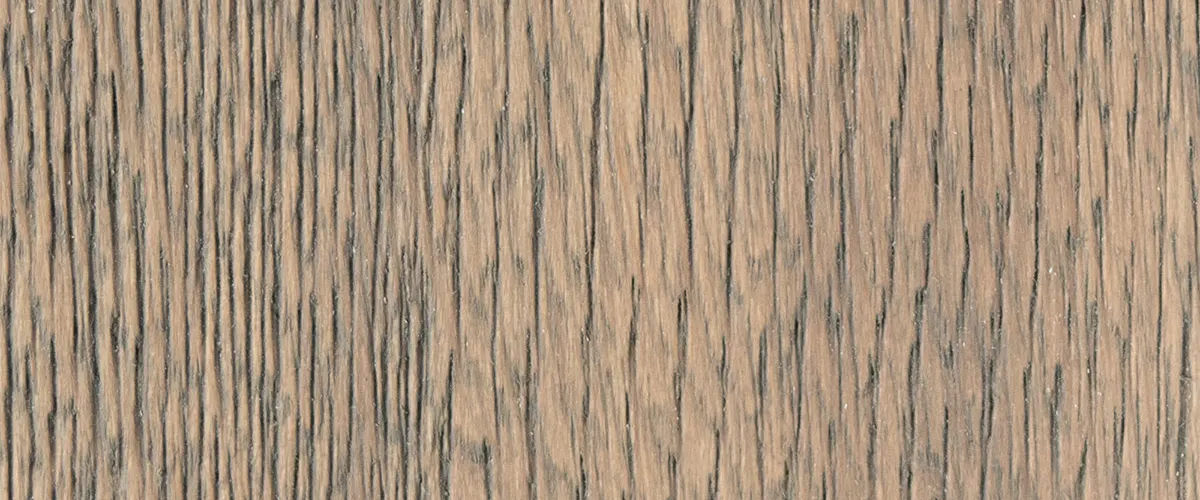
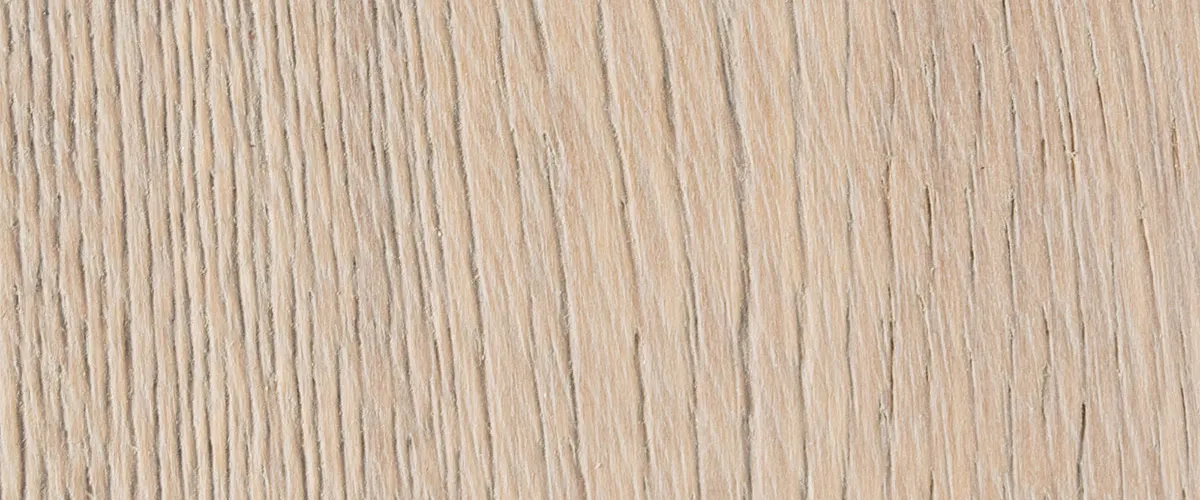
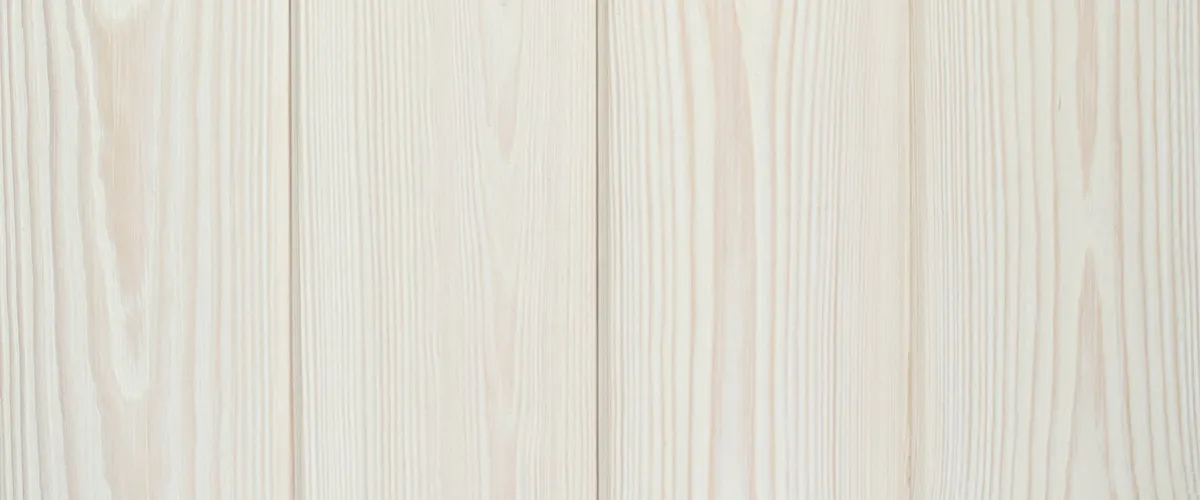
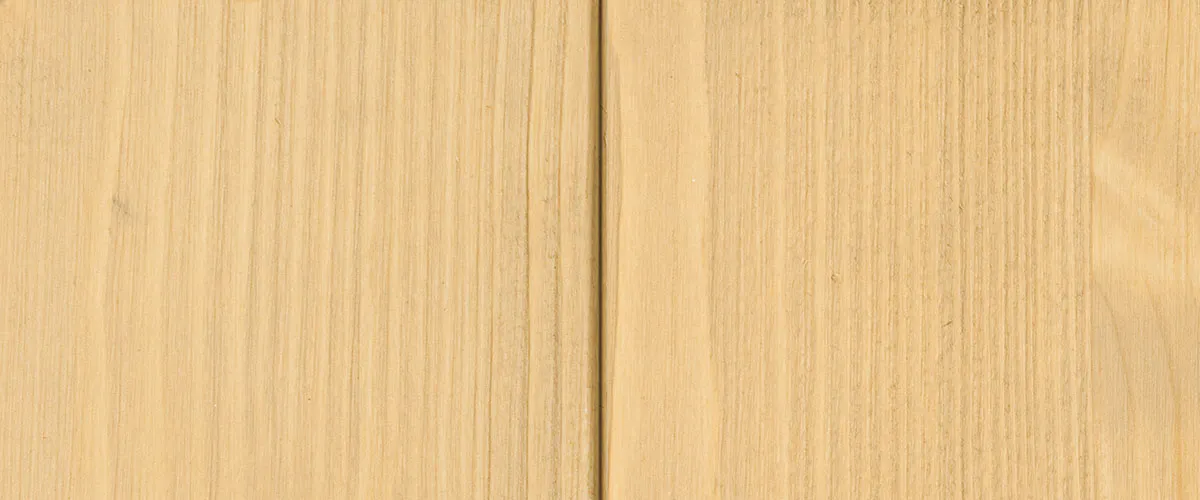
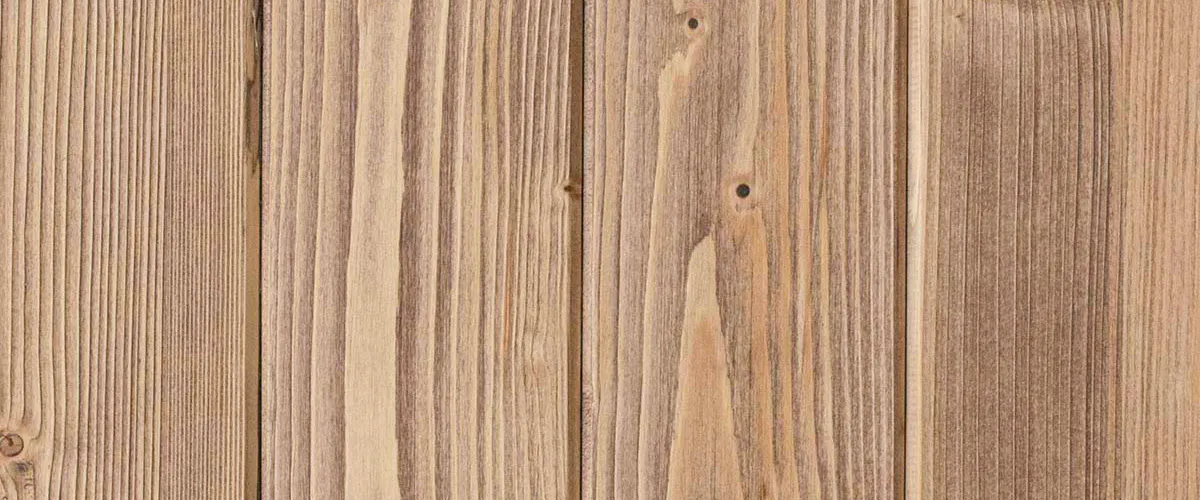
Pine wood – full colour palette
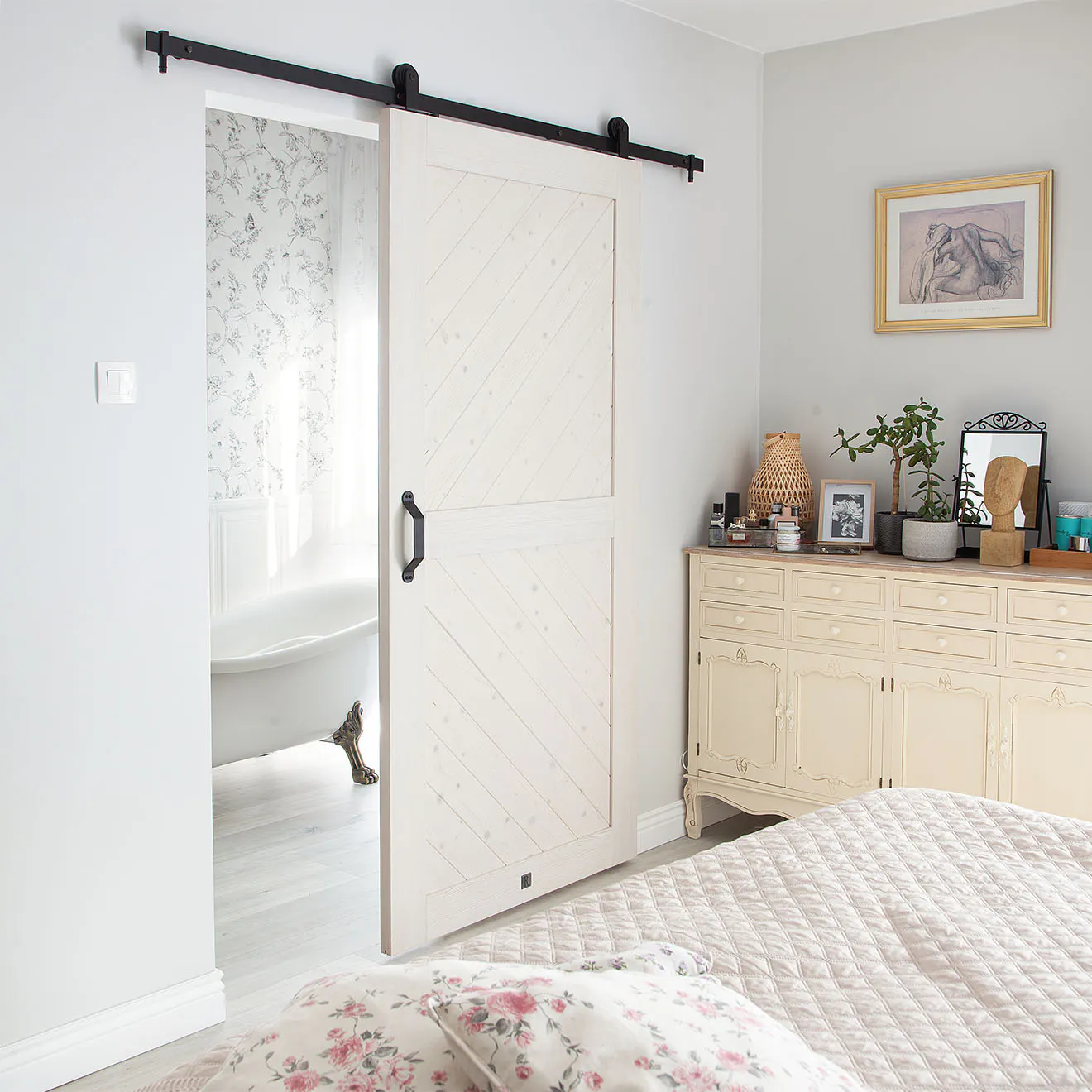
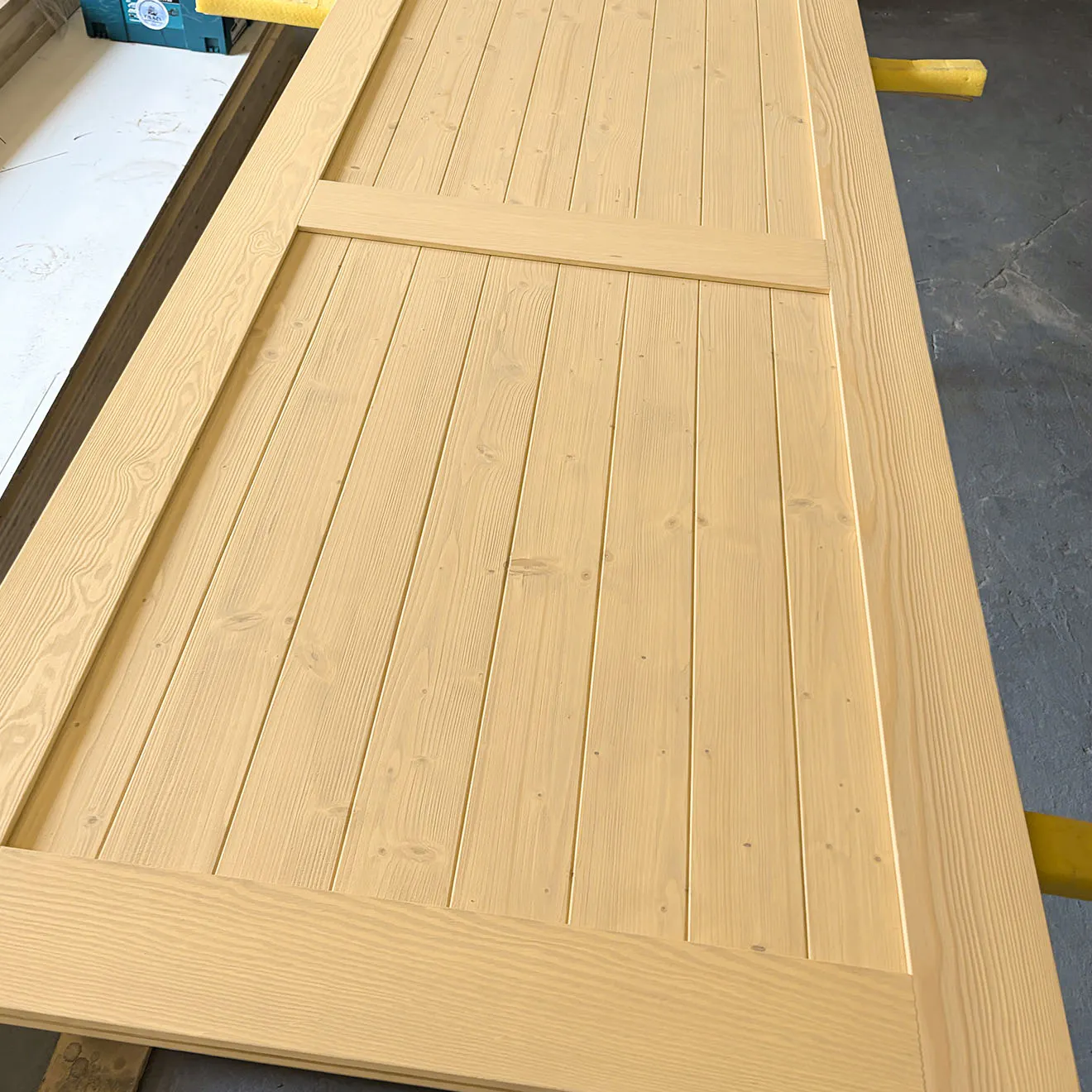
Pine is a versatile material that takes to pigments and finishes exceptionally well. Its distinctive grain structure allows every colour to retain a natural, vibrant character.



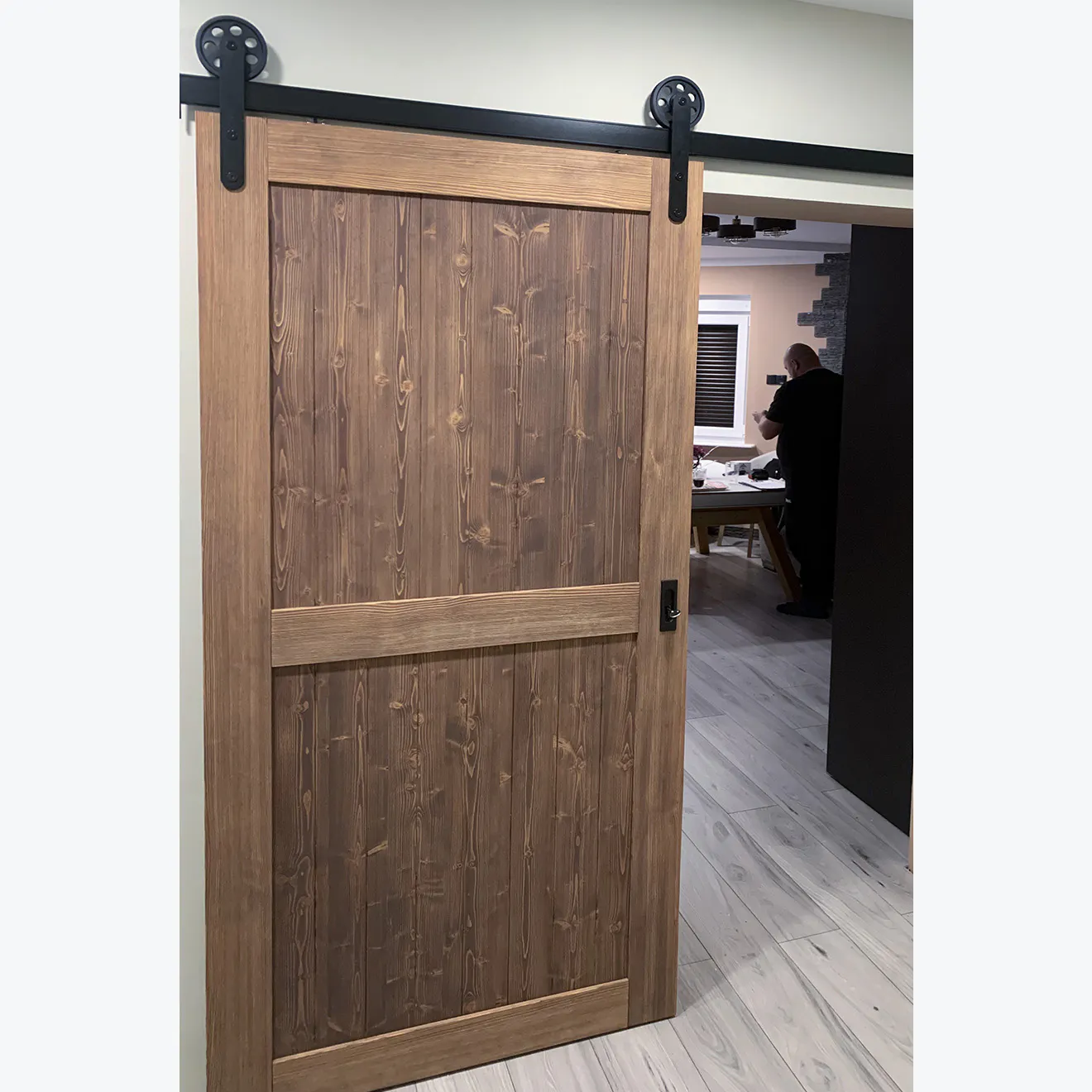

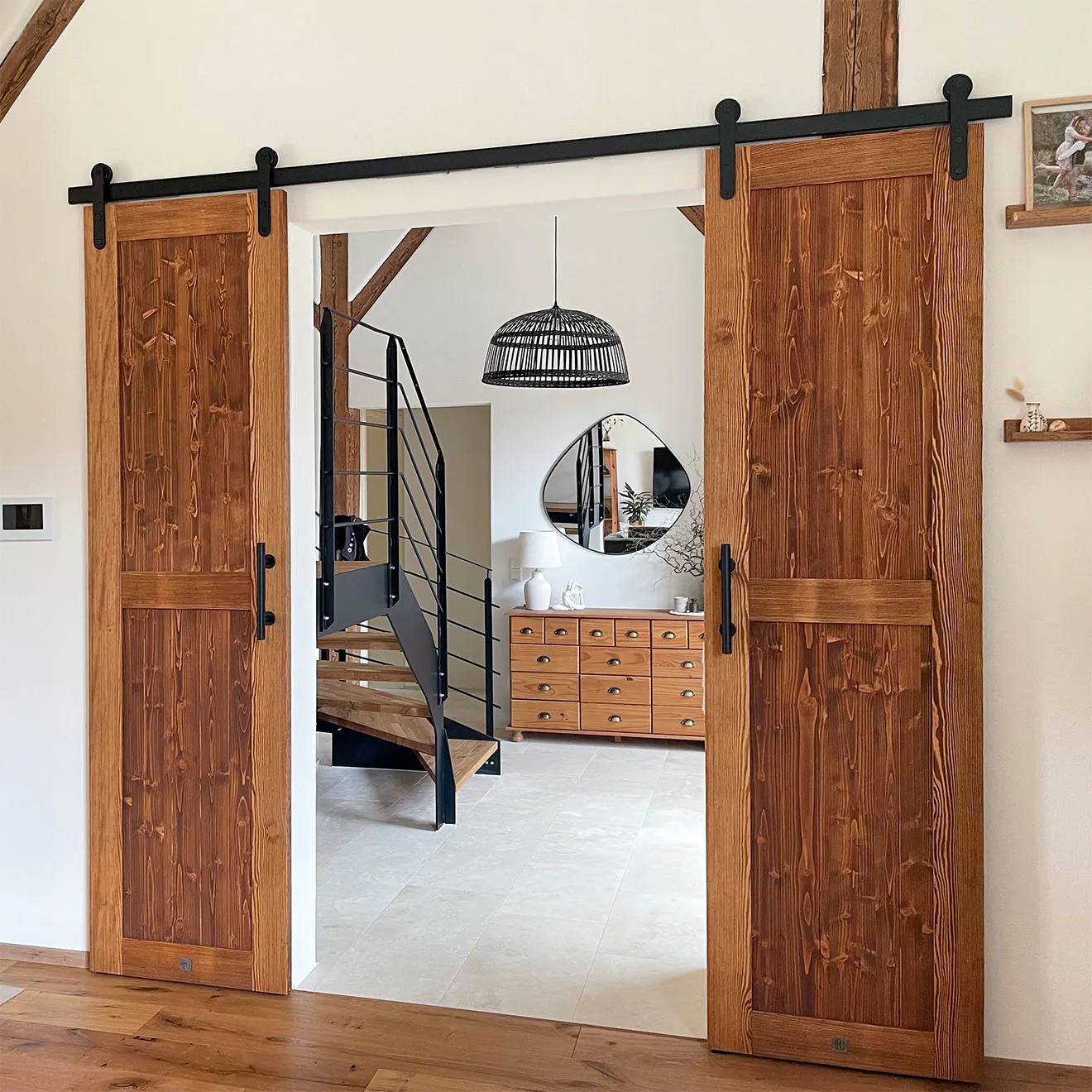

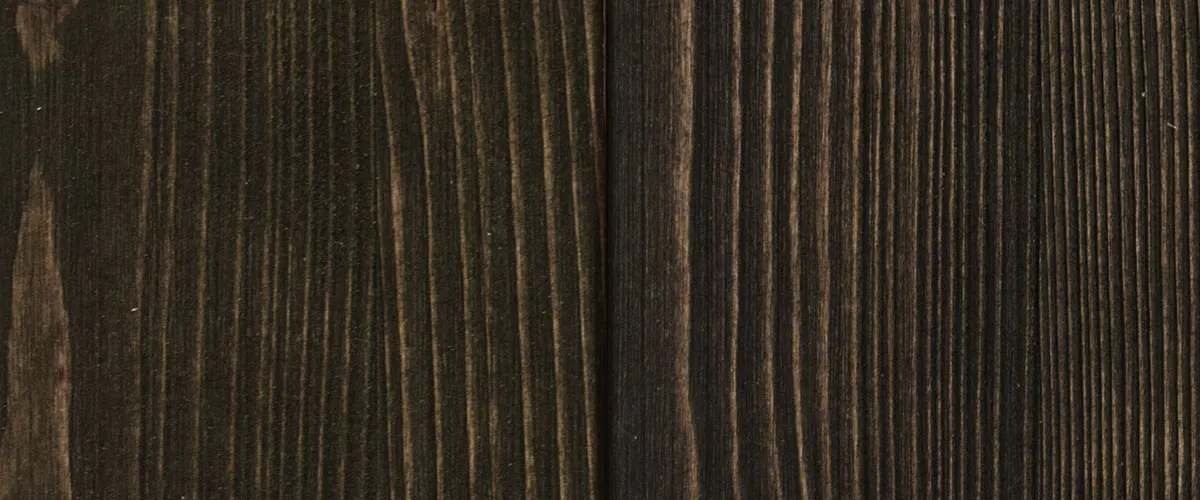
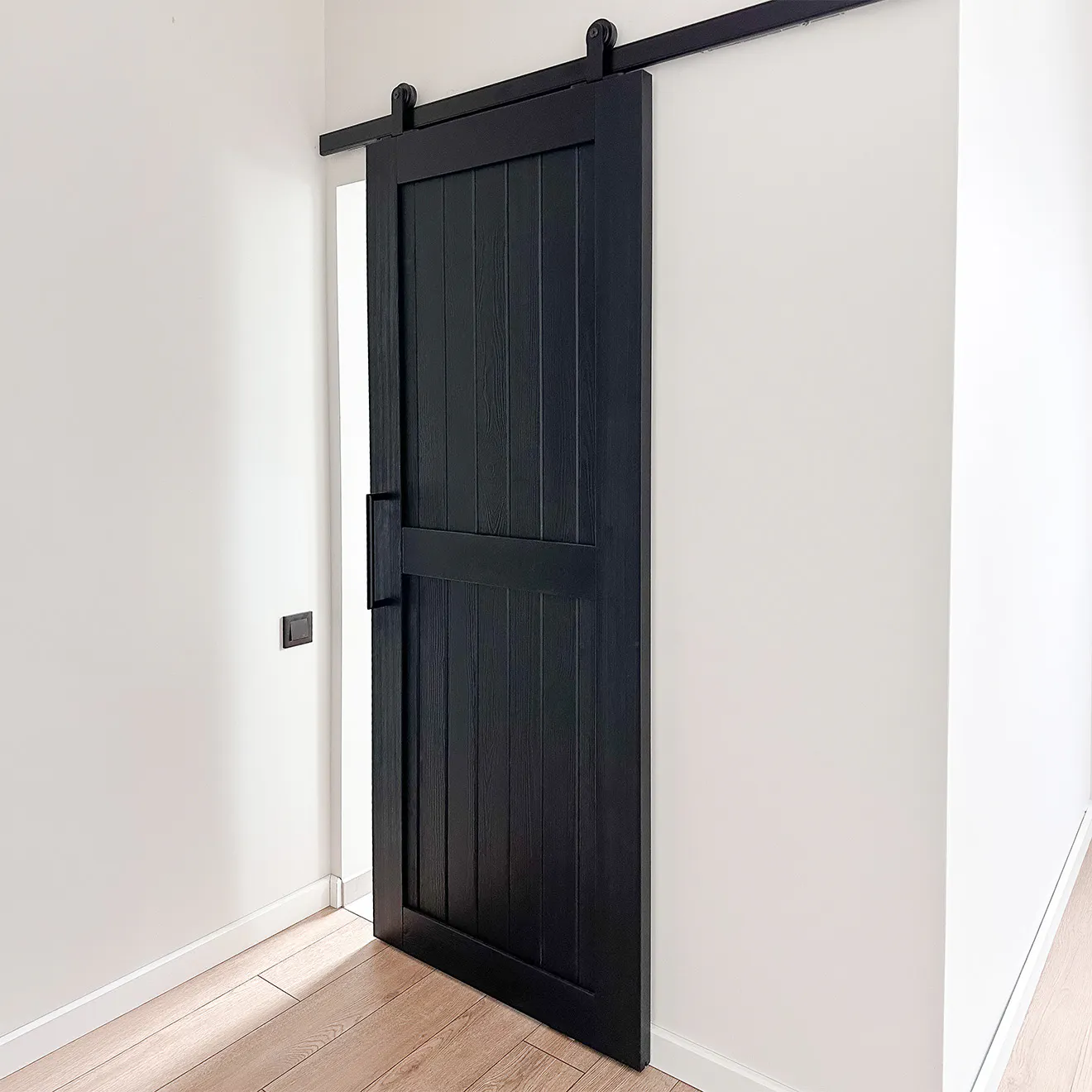

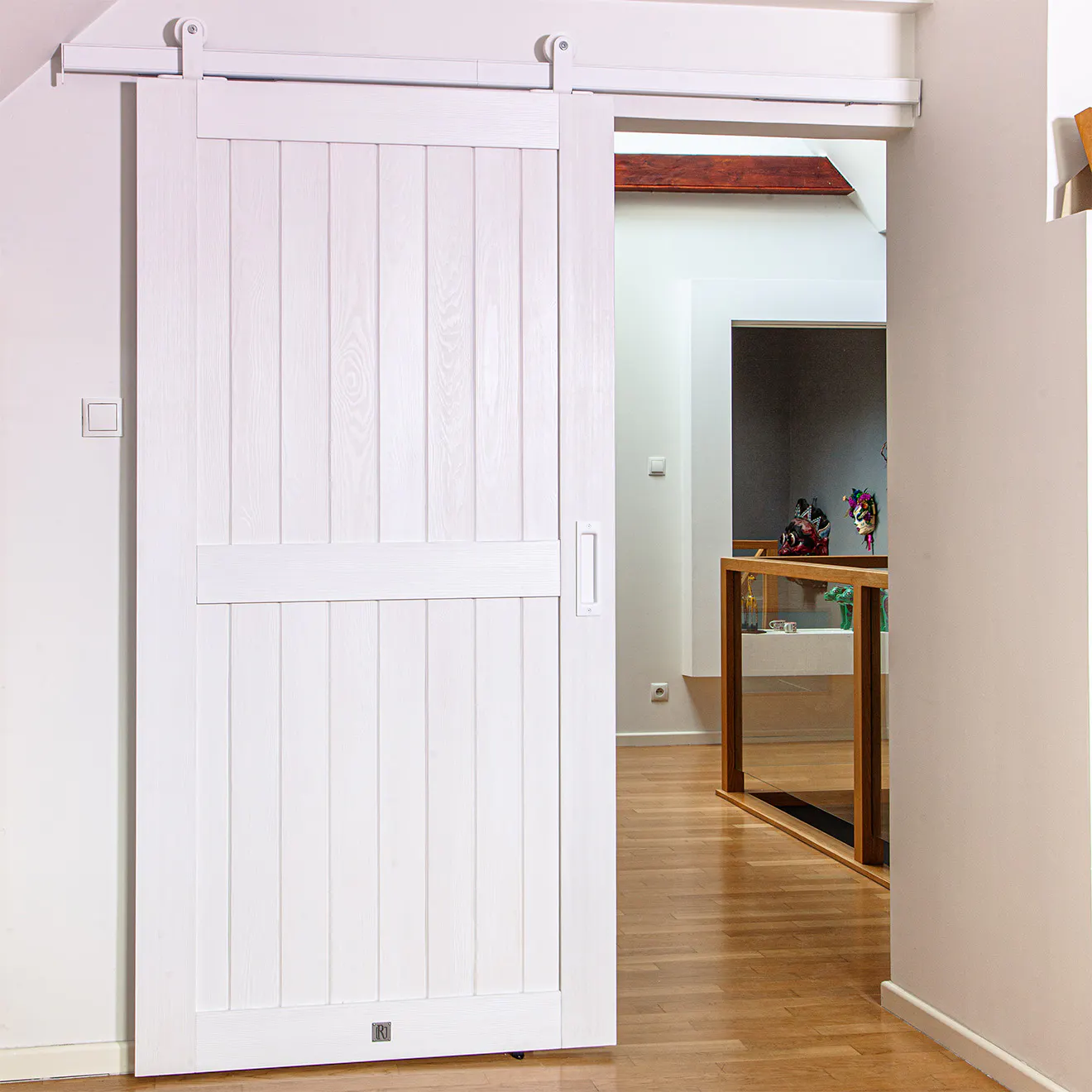

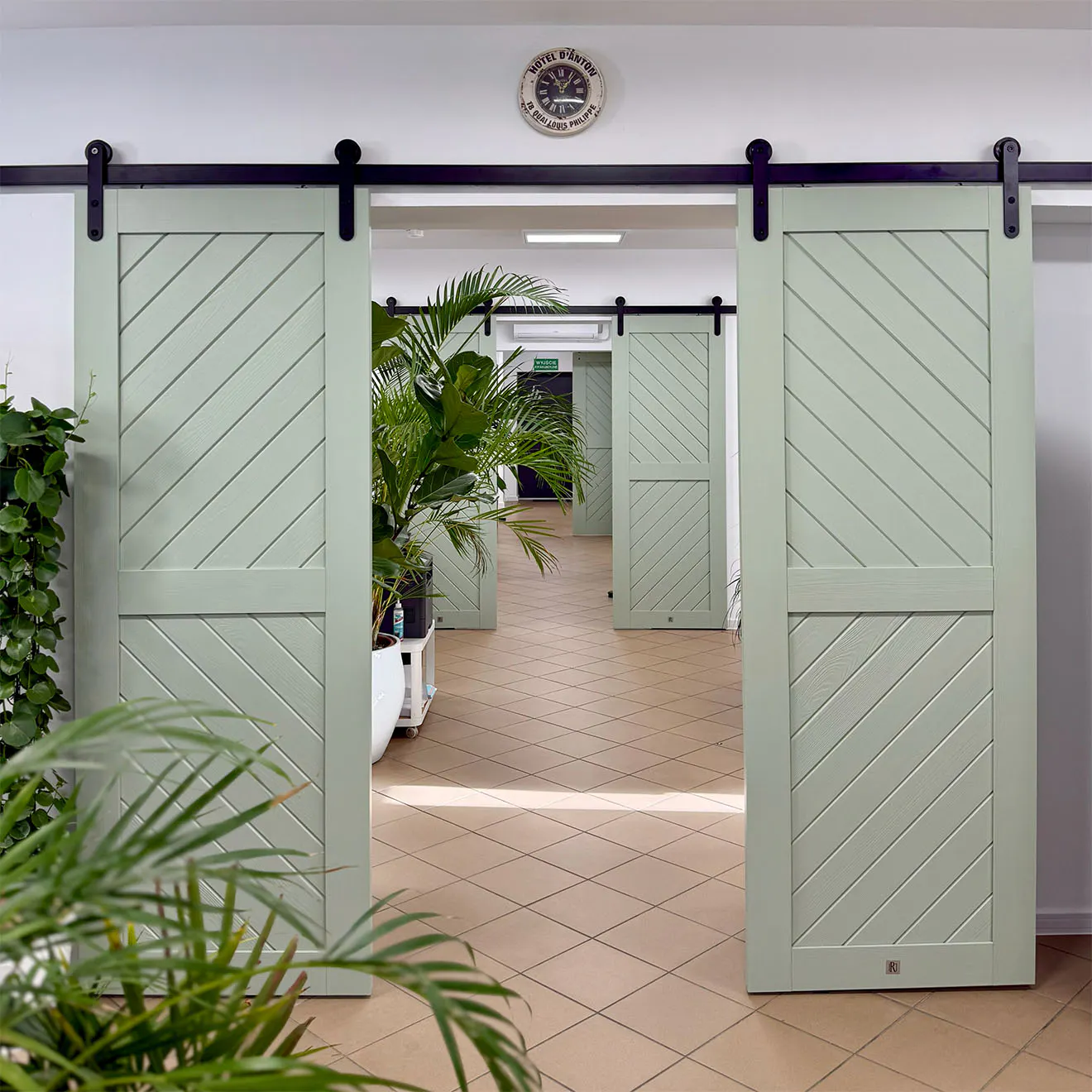
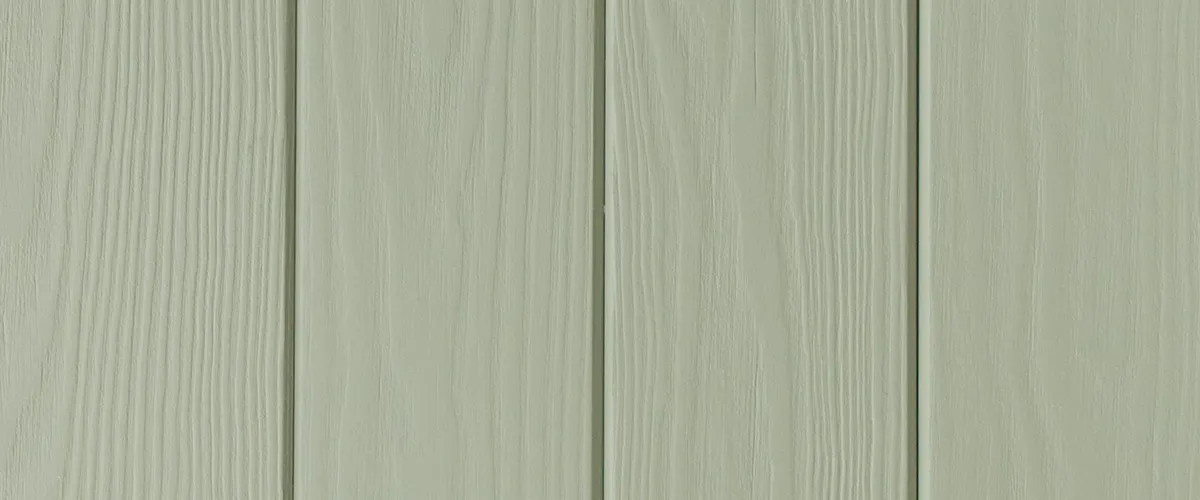
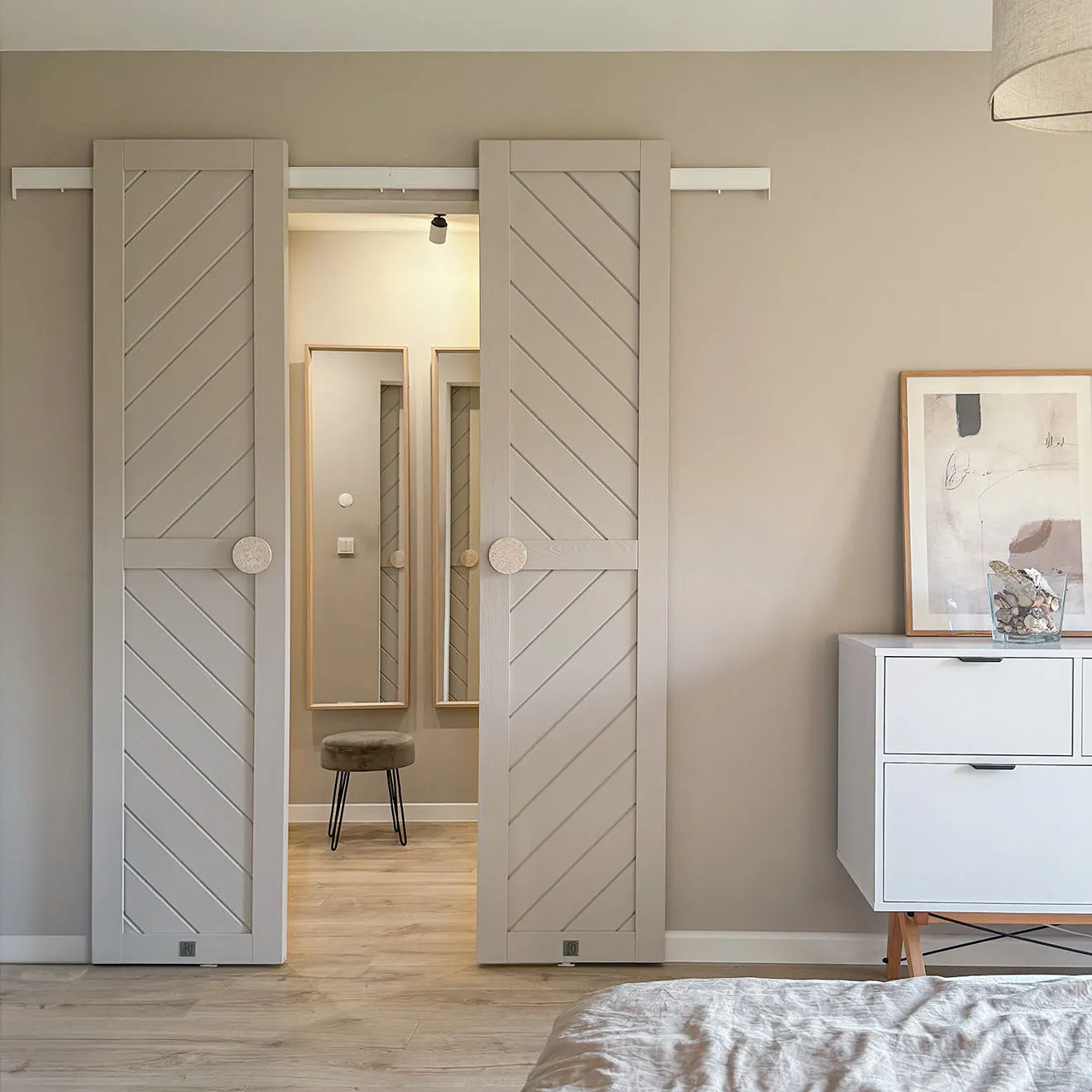

Why can the same wooden door colour look different?
There isn't one single "correct" colour for wooden doors – and that's exactly what makes them so unique.
Wood is a natural material. Every board has its own grain pattern, knot distribution and unique texture. That is why even two doors finished in the same colour will never look completely identical. The colour becomes part of the wood, and its appearance changes depending on many different factors.
What affects the colour of wooden doors?
- Natural wood structure: Solid wood has unique characteristics such as grain patterns, knots, natural colour variations, variations in fibre density. Harder and softer areas absorb pigments differently, creating a natural, beautiful blend of shades.
- Brushed finish: Our doors undergo a brushing process. This treatment enhances the natural texture of the grain. Instead of looking flat or uniform, the colour gains a three-dimensional depth.
- Type of finish: Oils penetrate deep into the timber, emphasising its natural matt finish and authenticity. Paints and lacquers, on the other hand, create a protective coating on the surface, providing more even colour coverage and a more uniform appearance.
Why does the door colour look different in photos?
The same door can look completely different in two separate interiors. This is perfectly normal, as the way we perceive colour is influenced by several key factors.
- Lighting temperature: Under warm lighting, the doors take on golden, cosy tones. Under cool artificial lighting, the same shade may appear slightly grey or more subdued.
- Time of day and natural light: In direct sunlight, the wood appears lighter. In the dim light of a hallway, the same colour looks deeper, richer, and more subdued.
- The surrounding interior: Walls, flooring, furniture and décor all influence how a wood finish is perceived. Warm beiges and oak flooring enhance the warmth of the door. Cool greys or concrete finishes can make even a warm brown appear cooler.
- Camera and screen settings: Mobile phone cameras often increase the contrast and saturation automatically. Additionally, every monitor has different brightness and colour temperature settings, which affect the final result.
Remember! You’re not simply choosing a colour from a chart.
You’re choosing a natural material that will look slightly different in your home than it does in a photo — and that's exactly what makes solid wood so special.

Not sure about the colour?
Order samples. Photos provide a useful reference, but only a real sample allows you to see:
- how the finish looks in your home's natural lighting,
- how it complements your flooring,
- whether it matches your furniture and walls.
We know that a screen cannot fully capture the texture and genuine depth of real wood. That’s why we offer physical samples for you to order. Hold them up against your wall, check them in daylight and under lamps in the evening. It's the best way to make your choice with confidence.
Frequently Asked Questions (FAQ)
Is the door colour shown in the photos accurate?
Not entirely. Photos should be treated as a guide to the colour rather than an exact colour reference. Phone screens, room lighting and the surroundings can make the same finish appear noticeably different.
Will my doors look exactly the same as someone else's if we order the same model and colour?
No. Every tree is unique, which means every solid wood door is unique too. Wood is a natural material — variations in grain and knot patterns are completely normal.
Which door colours are the most versatile?
Cashmere, Taupe, and Macchiato — as they are neutral and easy to pair. Natural Oak is also a timeless choice, as it complements most flooring types.
Can I match the doors to my furniture?
Yes, but don’t look for an identical colour. It’s far more important that the wood has a similar overall tone – warm, cool or neutral. If you have furniture in warm oak, choose a warm finish, such as Kamel. An exact colour match isn't necessary – the key is maintaining a cohesive look throughout the interior.