Care of oiled wood sliding doors and wood furniture by RENO – a guide to caring for oiled surfaces

Oiled wood sliding doors and oil-treated wood furniture require no elaborate maintenance. Regular dust and dirt removal, quick action on spots, and occasional surface refreshing help preserve the natural look of the wood for many years.
At RENO, we use brushed wood treated with Rubio Monocoat oils. That's why we recommend products from the same manufacturer for regular maintenance and occasional refreshing.
Our customers frequently ask us about proper cleaning, stain removal, and maintenance intervals for oiled wood surfaces. That's why we created this practical guide that shows step-by-step how to properly care for oiled sliding doors and wood furniture from RENO.
Regular cleaning of wood doors and wood furniture
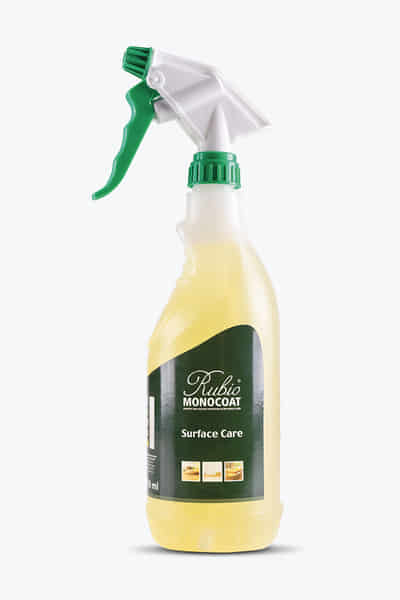
Rubio Monocoat Surface Care Spray
When to use: For regular cleaning of wood sliding doors and wood furniture. Ideal if you want to quickly refresh the surface without having to mix cleaning products from concentrates.
How the product works: It removes dust and everyday dirt and helps preserve the natural, matte appearance of the wood. Leaves no streaks, residue, or sticky layers on the surface.
Application: Spray a small amount of the product onto the surface and then wipe it with a clean, soft microfiber cloth.
Good to know: The product is gentle on wood surfaces and contains no harmful volatile organic compounds (VOC).

Properly removing stubborn stains
Not every stain requires surface refreshing or renovation. In most cases, a suitable cleaning product is sufficient. In our experience, we encounter mainly two types of stains: everyday deposits and occasional grease spots.
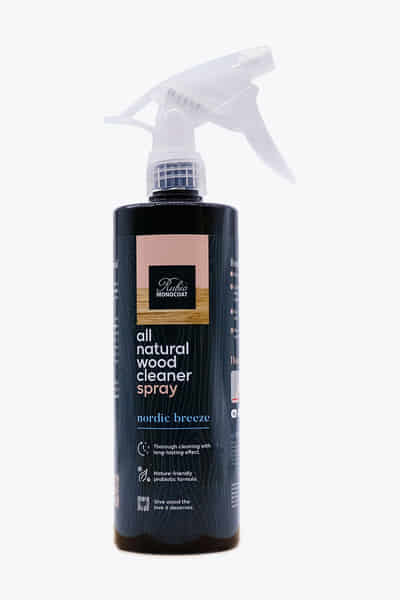
All Natural Wood Cleaner Spray
When to use: For deeper cleaning of wood sliding doors and wood furniture, for removing stubborn stains, and for preparing the surface before refreshing with a care oil.
How the product works: It effectively removes dirt while preserving the natural look of the wood. Thanks to active microorganisms, the product helps reduce dust deposits and prevent new stains.
Application: Spray the product onto the surface, let it sit briefly, and then wipe the area with a clean microfiber cloth.
Good to know: The cleaner has a neutral pH and a 0% VOC formula. This makes it ideal for regular maintenance in living spaces.
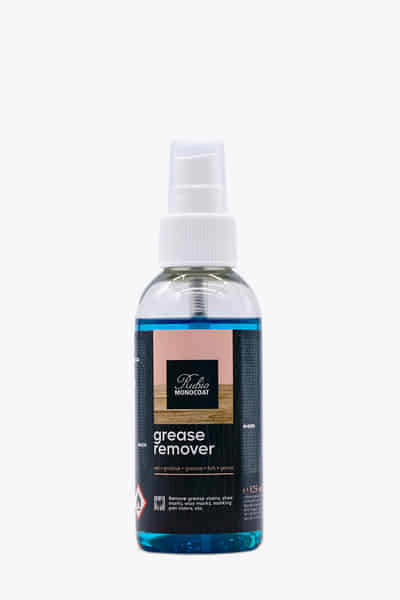
Rubio Monocoat Grease Remover
When to use: For targeted removal of fresh grease stains on tabletops, furniture fronts, and in heavily used areas, such as around door handles.
How the product works: Removes fresh grease and oil stains and other stubborn stains, such as marker or paste residue. The product is safe for surfaces treated with Rubio Monocoat oils.
Application: Apply the product directly to the stain and let it sit for a few minutes. Then gently blot the area with a paper towel or dry cloth, and finally wipe the surface with a damp cloth.
Good to know: You'll get the best results if you treat the stain as soon as it appears.


When should an oiled surface be refreshed?
Surfaces treated with Rubio Monocoat don't need to be re-oiled every year. However, after several years of use, areas can develop that experience more wear, particularly around door handles, on tabletops, or on frequently touched furniture fronts.
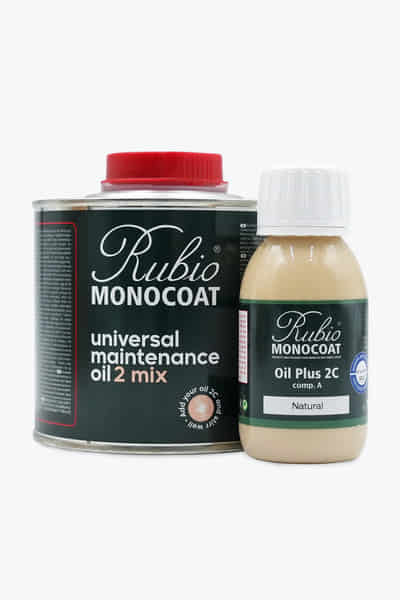
Universal Maintenance Oil 2 Mix
When to use: Every few years or when the surface loses color intensity, appears duller, or looks dry in heavily used areas.
How the product works: Restores the wood's protective properties, brings back color depth, and increases the moisture resistance of the surface. The product bonds only with the areas of wood that are no longer fully protected. This refreshes especially the most heavily used spots without requiring renovation of the entire surface.
Application: First thoroughly clean the surface with All Natural Wood Cleaner Spray. Then mix the two components of the oil, apply a thin layer in the direction of the grain, and after a few minutes remove excess oil completely with a clean cotton cloth. Let the surface dry for 12–24 hours.
Good to know: The product is 0% VOC-certified, meets the safety requirements of toy standard EN 71-3, and can be used on surfaces that come into contact with food.
What should be avoided when caring for oiled wood?
Surfaces treated with Rubio Monocoat are low-maintenance. However, using unsuitable products can compromise the protective properties or change the natural appearance of the wood.
- Don't use aggressive cleaning products – they can compromise the protective properties of the surface and dry out the wood.
- Avoid products with wax, silicone, or gloss additives – they can change the appearance of the wood and make future maintenance more difficult.
- Don't leave spilled liquids on the surface for long – water, coffee, wine, or grease should be removed as quickly as possible.
- Do not use abrasive sponges or scouring materials – a soft microfiber cloth is sufficient for regular maintenance.
Why do we recommend Rubio Monocoat products?
At RENO, we use brushed wood and treat it with Rubio Monocoat oils. This technology preserves the natural look and wood grain structure while enabling partial surface refresh without refinishing the entire component. The combination of durability, easy maintenance, and natural appearance was one of the reasons we chose Rubio Monocoat.
Rubio Monocoat maintenance products were specifically developed for oiled wood surfaces. They help remove dirt, refresh the wood, and maintain its natural appearance without building up additional layers on the surface.


Equally important to us is safety in daily use. Many Rubio Monocoat products meet strict requirements for volatile organic compound emissions and indoor air quality. Selected products also have additional certifications confirming their safe application and suitability for food-contact surfaces.
This approach aligns with RENO's philosophy. We create durable products from natural materials and recommend solutions that help preserve their appearance, functionality, and usability over many years.
Regular maintenance takes just a few minutes and helps preserve the natural beauty of the wood and extend the lifespan of RENO sliding doors and furniture by many years.
Frequently Asked Questions (FAQ)
How often should oiled wood sliding doors and wooden furniture be cleaned?
It's sufficient to regularly remove dust and everyday dirt. The frequency of cleaning depends on how intensively the sliding doors or furniture are used.
How do you remove grease stains from oiled wood?
The best results are achieved when stains are treated as quickly as possible. For fresh grease stains, specialized cleaning products for oiled surfaces are recommended, such as Rubio Monocoat Grease Remover.
Can oiled wood be partially renovated?
Yes. One of the advantages of Rubio Monocoat technology is the possibility of partial renovation without having to sand down the entire door panel or entire piece of furniture.
Do wood sliding doors need to be re-oiled every year?
No. With normal use, a surface refresh is typically required only after several years, especially in heavily used areas.
Can oiled wood be cleaned with water?
Yes, but only with a slightly damp cloth. Excessive moisture should be avoided. Spilled liquids should therefore be removed as soon as possible.